Munky Display Font for Modern Web Design
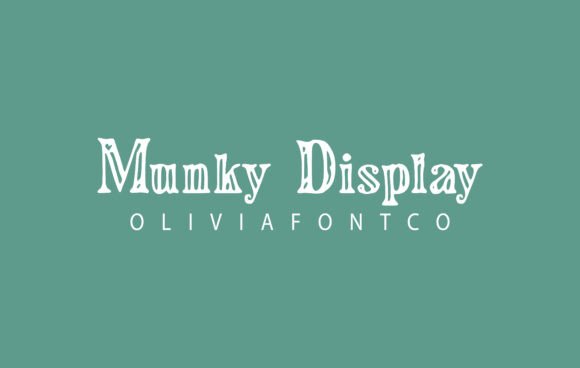
As a web designer, I often find myself staring at a blank hero section, knowing that the right typeface can make or break the entire user experience. Recently, while working on a landing page for a boutique lifestyle brand, I needed something that felt approachable yet distinct. That is when I turned to Munky Display, a sweet and friendly handwritten font that immediately changed the tone of the project. Unlike rigid geometric sans serifs, this Script Handwritten style brings a human touch to digital interfaces, making it an excellent choice among modern Fonts for creators who value personality.
Integrating Munky Display into Hero Sections and Landing Pages
The first place I tested Munky Display was in the main headline of the homepage. The product description notes that Munky Display is a sweet and friendly handwritten font. Its natural and unique style makes it incredibly fitting to a large pool of designs. The only limit is your imagination, and I found this to be true when scaling it up for large display sizes. In web design, the hero section is prime real estate, and using a decorative display font here can instantly communicate brand values without needing excessive copy. Because Munky Display has a natural flow, it avoids the stiff, automated look that plagues many digital Fonts. It sits comfortably alongside clean UI elements, acting as a visual anchor that draws the eye without overwhelming the layout. For designers building course sales pages or portfolio sites, this level of immediate visual engagement is crucial for reducing bounce rates and encouraging further scrolling.
Enhancing Brand Identity with Script Handwritten Typography
When developing a digital brand kit, consistency is key, but so is character. I incorporated Munky Display into various brand assets, from social media graphics to email headers. As a Script Handwritten typeface, it bridges the gap between professional polish and casual warmth. This duality is rare in the world of commercial Fonts. Many script fonts are either too formal for modern web use or too messy to read on screens. Munky Display strikes a balance, offering legibility while maintaining that hand-crafted aesthetic. For online store owners and SaaS founders, this means you can maintain a trustworthy appearance while still feeling accessible. The font works particularly well for short phrases, call-to-action buttons, and section headings where you want to emphasize a specific message. By using Munky Display strategically, you create a cohesive visual language that users recognize and trust across different platforms.
Optimizing Readability and Visual Hierarchy in Responsive Layouts
One of the biggest challenges with any display font is ensuring it remains readable on mobile devices. During my testing of Munky Display, I paid close attention to how it rendered on smaller screens. Since Munky Display is a sweet and friendly handwritten font. Its natural and unique style makes it incredibly fitting to a large pool of designs. The only limit is your imagination, it is important to use it judiciously. I found that it performs best as a headline font rather than body copy. For long-form content, pairing it with a simple sans serif font ensures that the user’s eye can rest between bold statements. This combination creates a clear visual hierarchy, guiding the user through the page logically. When designing for responsive layouts, I adjusted the line height and letter spacing slightly to prevent the characters from touching on narrow viewports. This attention to detail ensures that the Script Handwritten charm of Munky Display does not compromise usability, a critical factor for any professional web designer.
Pairing Munky Display with Sans Serif and Serif Fonts
Font pairing is an art form, and Munky Display is surprisingly versatile in this regard. In my recent project, I paired it with a neutral grotesque sans serif for the body text. This contrast allowed the Fonts to complement each other rather than compete. The clean lines of the sans serif grounded the playful curves of the Script Handwritten header, creating a balanced and modern typography system. Alternatively, for a more editorial or vintage feel, you could pair Munky Display with a classic serif font. This approach works well for blog redesigns or coaching websites where a sense of tradition and warmth is desired. The key is to ensure that the secondary font does not have too much personality, allowing Munky Display to remain the star of the show. By experimenting with these combinations, designers can create unique digital identities that stand out in a crowded online landscape.
Practical Applications for Digital Product Creators and Marketers
Beyond standard websites, Munky Display shines in specialized digital products. I used it for a series of promotional banners for a creative workshop. The friendly nature of the font made the event feel welcoming and low-pressure, which aligned perfectly with the marketing goals. Whether you are designing a campaign landing page, a digital ad, or a logo for a small business, Munky Display offers the flexibility needed to adapt to various contexts. Because Munky Display is a sweet and friendly handwritten font. Its natural and unique style makes it incredibly fitting to a large pool of designs. The only limit is your imagination, it can be twisted and turned to fit niche markets, from children’s educational apps to artisanal coffee brands. For marketers, this means having a versatile asset that can be repurposed across multiple channels without losing its core identity. It simplifies the design process, allowing for faster iteration and more consistent branding.
Checking Licensing and File Formats for Web Use
Before implementing any new typeface, it is essential to check the technical specifications and licensing terms. Munky Display comes in formats suitable for web embedding, ensuring fast loading times and crisp rendering on high-resolution displays. As a professional designer, I always verify that the Script Handwritten font includes necessary glyphs and multilingual support if the project targets a global audience. Using premium Fonts with proper commercial licensing protects both the designer and the client from legal issues down the line. Additionally, checking for alternate characters can add extra flair to your designs, allowing for custom logotypes or unique decorative accents. By taking these practical steps, you ensure that your use of Munky Display is not only aesthetically pleasing but also technically sound and legally secure. This diligence is what separates amateur designs from polished, professional digital experiences.