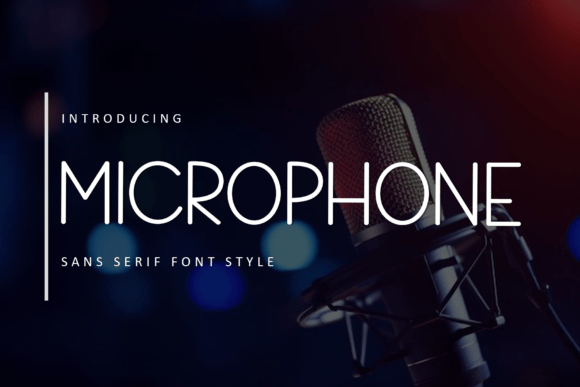
Microphone Font: A Minimalist Display Typeface Review
Microphone is a clean, modern, and minimalist sans-serif display font that immediately caught my eye during a recent branding project for a boutique skincare line. As a designer who has tested countless typefaces over the years, I am always on the lookout for Fonts that balance technical precision with artistic flair. When I first loaded Microphone into my design software, the thin, uniform monoline weight and tall, slightly condensed forms gave it a sophisticated, technical, and high-quality aesthetic that felt perfect for a brand aiming to convey purity and scientific backing. This Sans Serif is not just another generic option; it is a deliberate design choice for creators who need their headlines to speak with quiet confidence.
Using Microphone for High-End Logo Design and Brand Identity
Microphone shines brightest when used as a primary logo font or a key element in a broader brand identity system. In my recent project, I needed a logotype that felt expensive but approachable. The tall, condensed structure of Microphone allowed me to stack letters or kern them tightly without losing legibility, creating a compact yet impactful mark. Unlike many bulky Fonts that dominate a layout, this San Serif typeface offers a delicate presence that elevates the surrounding white space. It works exceptionally well for luxury goods, tech startups, or architectural firms where minimalism is a core value. The uniform stroke width ensures that the logo remains consistent across various applications, from embossed business cards to large-scale storefront signage. If you are building a brand identity that relies on sophistication rather than loud colors, Microphone provides the structural elegance needed to anchor the visual system.
Microphone for Packaging Design and Product Label Aesthetics
When it comes to packaging design, the physical constraints of the label often dictate typographic choices. Microphone is a clean, modern, and minimalist sans-serif display font that handles these constraints beautifully. Its thin, uniform monoline weight and tall, slightly condensed forms give it a sophisticated, technical, and high-quality aesthetic that looks stunning on narrow product tubes and sleek boxes. During my testing, I placed Microphone on a mockup for a serum bottle. The verticality of the letters allowed the brand name to run vertically along the side of the container, maximizing visibility without requiring excessive horizontal space. This Sans Serif performs well in print because its clean lines reproduce sharply, even on textured paper stocks. However, designers should note that because it is a display font, it is best reserved for product names and short descriptors rather than ingredient lists or long paragraphs. For those curating premium Fonts for physical products, Microphone offers a distinct advantage in creating shelf appeal through typographic refinement.
Web Design Headers and Social Media Graphics with Microphone
In the digital realm, Microphone serves as an excellent choice for website headers and social media graphics where immediate visual impact is crucial. The font’s technical feel translates well to screen-based media, offering a crisp and modern look that aligns with contemporary web design trends. I used Microphone for a hero section on a creative studio’s homepage, pairing it with a neutral background to let the typography breathe. The tall, condensed forms create a strong vertical rhythm that guides the user’s eye down the page. For social media layouts, particularly on platforms like Instagram where square and vertical formats dominate, Microphone allows for bold, centered headlines that do not feel cramped. As one of the more versatile Fonts in the display category, it maintains its integrity at various sizes, provided it is not scaled down too small. This Sans Serif is ideal for quote graphics, announcement posts, and digital banners where clarity and style must coexist. Its minimalist nature ensures that it does not clash with photography or other graphic elements, making it a reliable tool for content creators.
Font Pairing Strategies for Microphone in Editorial and Print Layouts
While Microphone is a standout display font, its true potential is unlocked when paired correctly with supporting typefaces. Because Microphone is a clean, modern, and minimalist sans-serif display font with a thin, uniform monoline weight, it pairs beautifully with serif fonts that offer contrast in weight and style. In my editorial design tests, I combined Microphone headlines with a classic serif body text to create a sophisticated magazine spread. The technical, high-quality aesthetic of the Sans Serif header provided a modern counterpoint to the traditional warmth of the serif paragraphs. Alternatively, pairing it with a handwritten font can add a human touch to the otherwise rigid structure, making it suitable for lifestyle brands or boutique shops. When selecting from the vast array of available Fonts, look for pairings that respect Microphone’s delicate nature. Avoid heavy, blocky sans serifs that might overpower its subtle elegance. Instead, opt for light or regular weights in complementary families to maintain visual harmony. This approach ensures that your design assets remain cohesive and professionally polished.
Practical Limitations and Licensing Considerations for Designers
Despite its many strengths, Microphone is not a one-size-fits-all solution. Its thin, uniform monoline weight means it can struggle with readability at very small sizes or in low-contrast environments. Therefore, it is not recommended for long body text, dense legal disclaimers, or accessibility-focused interfaces where high legibility is paramount. As a display font, it is best used for short phrases, titles, and logos. Before committing to this typeface for client work, always review the specific file formats and included styles to ensure they meet your project needs. Additionally, checking commercial font licensing is essential. Whether you are using Microphone for merchandise, websites, or print-on-demand products, understanding the license terms protects both you and your client. Most premium Fonts require specific licenses for different use cases, so verify if your intended application falls under personal or commercial use. By respecting these limitations and legal requirements, you can leverage Microphone effectively while maintaining professional standards in your design practice.